TRACE: Digital Product Passports
for Kenyan Agricultural Exports
We built a system that automatically checks whether Kenyan farm exports meet Europe's new environmental standards — and issues a tamper-proof digital certificate when they do.
What this research is about — in plain terms
The European Union now requires that certain imported goods come with a Digital Product Passport — a digital record that proves where a product came from, how it was grown, and whether it meets environmental and safety standards. For Kenyan tea, coffee, and avocado farmers, this is a serious challenge: most still rely on paper certificates and spreadsheets that simply don't meet these new requirements.
This project, called TRACE, builds a working software system that solves this problem. It collects farm data automatically — things like pesticide use, GPS location, and refrigeration temperatures during transport — locks that data onto a tamper-proof digital ledger (so no one can alter it later), and then uses software "agents" that check the rules and automatically issue a digital passport for shipments that qualify. All of this happens without paperwork or manual approval.
In testing, the system correctly approved or rejected every shipment — with no errors. The result is a practical, low-cost pathway for Kenyan farmers to prove their products are safe and responsibly grown, keeping their access to European markets.
Why this matters — and what was missing
The problem
The EU now requires importers to prove that products like tea, coffee, and avocados were grown responsibly — without illegal deforestation, excessive pesticides, or unsafe handling. Kenyan exporters currently do this with paper documents and PDF certificates, which the EU will no longer accept. Without a digital solution, farmers risk losing access to Europe entirely.
What was missing
Some technology solutions already exist, but they use expensive blockchain systems that charge fees for every record saved — making them impractical for small farms generating thousands of data points a day. No existing tool connected farm sensors, secure record-keeping, and automatic certification into one system built for African exporters.
Our solution
TRACE connects sensor data from farms and trucks to a free, tamper-proof digital ledger (IOTA), then uses smart software agents that automatically check whether each shipment meets EU rules. If it passes, a digital certificate — called a Digital Product Passport — is issued instantly, with no paperwork needed.
The system in four layers — click any to explore
Click any of the four layers in the diagram to see what it does and how it works — no technical background needed.
Collecting data from farms and trucks
Before anything can be certified, information needs to come in. Farmers, exporters, and transport companies enter data through simple online forms — or it's captured automatically by sensors on the farm or inside refrigerated trucks.
The system checks that all required information is present and makes sense before moving forward. No incomplete records get through.
- GPS location of the farm (to confirm it's not in a deforested area)
- Pesticide use records — what was used, how much, and when
- Soil and environmental readings from the farm
- Truck temperature logs throughout the journey
- Route checkpoints during shipping
- Farmer, cooperative, and exporter identifiers
Locking the records so no one can change them
Once data is verified, the system creates a unique digital fingerprint of each record and stores it on IOTA — a type of blockchain that is completely free to use. Think of it like a public notary: once something is recorded there, it can never be quietly changed or deleted.
The full details stay in a normal database for easy access, but the fingerprint on IOTA means anyone can check whether those details have been tampered with. This is what makes the certificates trustworthy to EU buyers and regulators.
- Each record gets a unique digital fingerprint (called a hash)
- That fingerprint is published to the IOTA network at no cost
- A reference ID is saved, linking the fingerprint to the original record
- Any future change to the record will cause the fingerprint to no longer match — detecting fraud
Software agents that check the rules automatically
This is the brain of the system. Once data is secured, a set of automated software programs — called agents — take over. They work like an inspector who never sleeps: reading the data, checking it against EU rules, and making a decision about whether the shipment qualifies for a digital certificate.
If the shipment passes all checks, a Digital Product Passport is created automatically. If something is wrong — like pesticide levels too high, or the GPS location is missing — the shipment is flagged and no certificate is issued, with a clear reason logged.
- Data agent — receives, checks, and saves all incoming records
- Compliance agent — applies EU rules on pesticides, location, and temperature
- Passport agent — creates the digital certificate for approved shipments
- Trigger agent — sends payment or customs alerts once a certificate is confirmed
- Audit log — every decision is recorded with a full explanation
Sharing the certificate with the right people
Once a Digital Product Passport is issued, it becomes available to anyone who needs to see it — the exporter, EU customs, or a buyer in Europe. Each certificate includes a link to the IOTA record, so anyone can independently verify it is genuine without having to trust the exporter's word alone.
- Exporters see a dashboard showing which shipments are approved or flagged
- Customs and regulators get a machine-readable certificate with a verification link
- EU buyers can access the certificate and key sustainability data via an API
- Every decision and check is logged for auditors
- A QR code on each certificate allows quick offline verification
How the system performed in testing
The software agents correctly approved or rejected every test shipment — no wrong calls. Shipments with full, clean data got a certificate. Those with missing or rule-breaking data were flagged.
Unlike most blockchain systems that charge fees per transaction, IOTA is completely free. This makes it practical for small farms saving hundreds of data points a day — costs don't pile up.
All five technical checks — fingerprinting records, saving to IOTA, checking pesticide rules, verifying GPS location, and validating data formats — worked exactly as designed.
When we deliberately changed a saved record to simulate fraud, the system immediately detected the mismatch between the stored record and its IOTA fingerprint. The altered data was caught every time.
Out of the lab, into the world
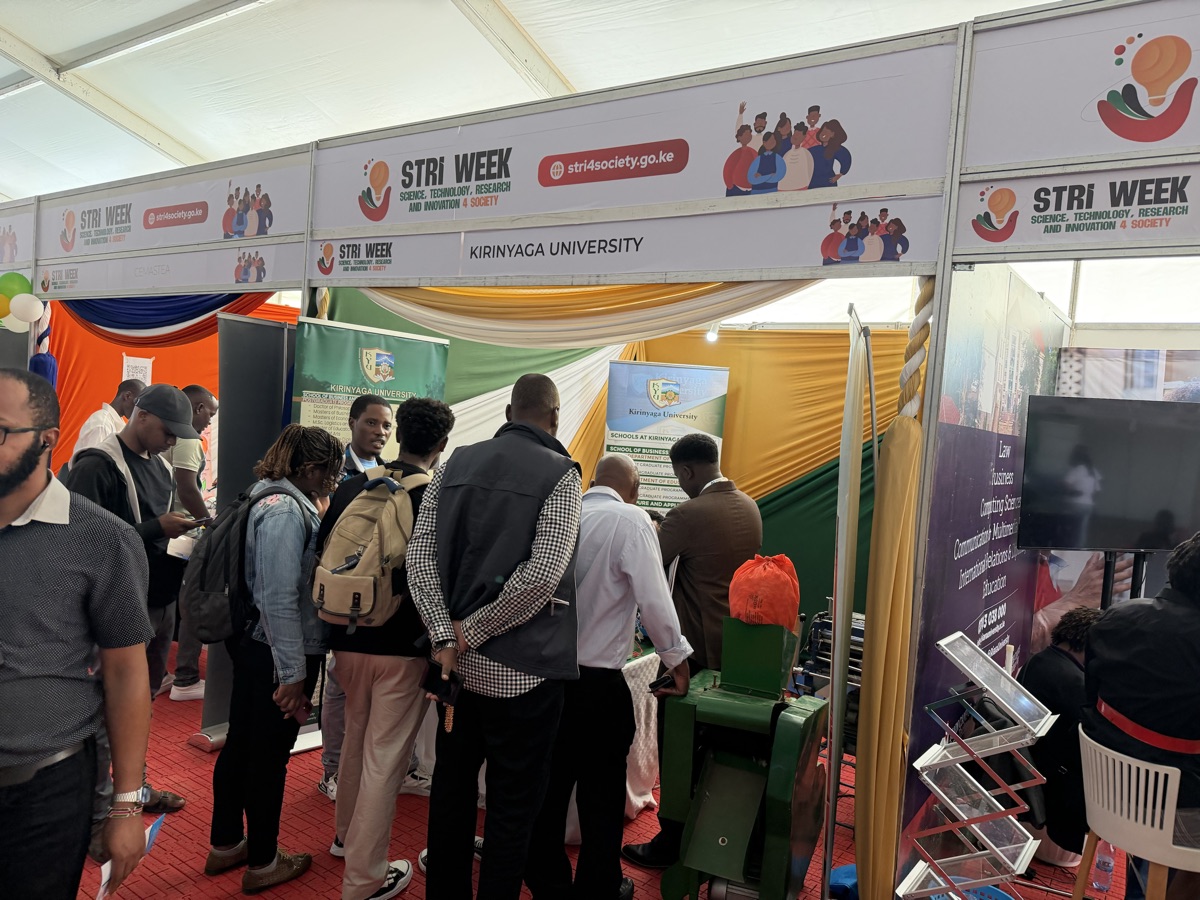
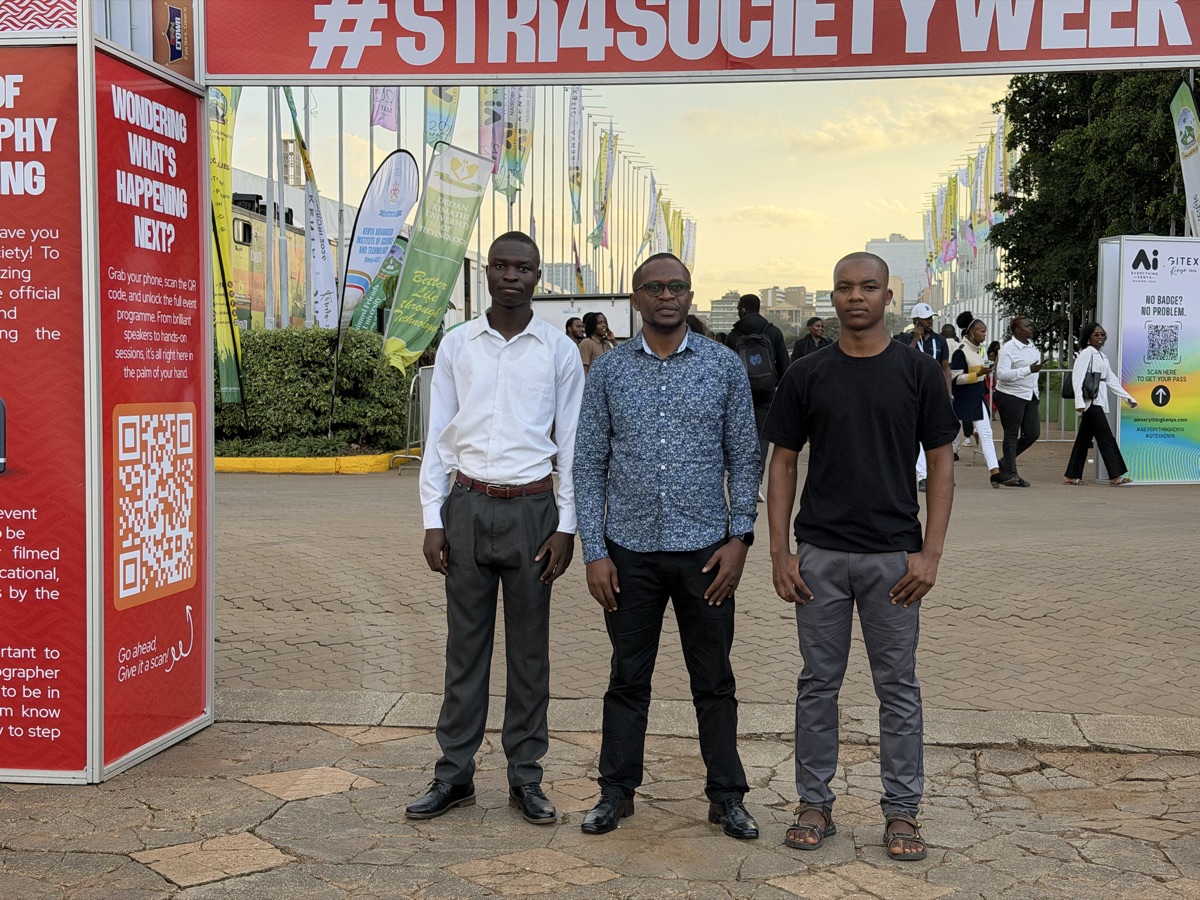
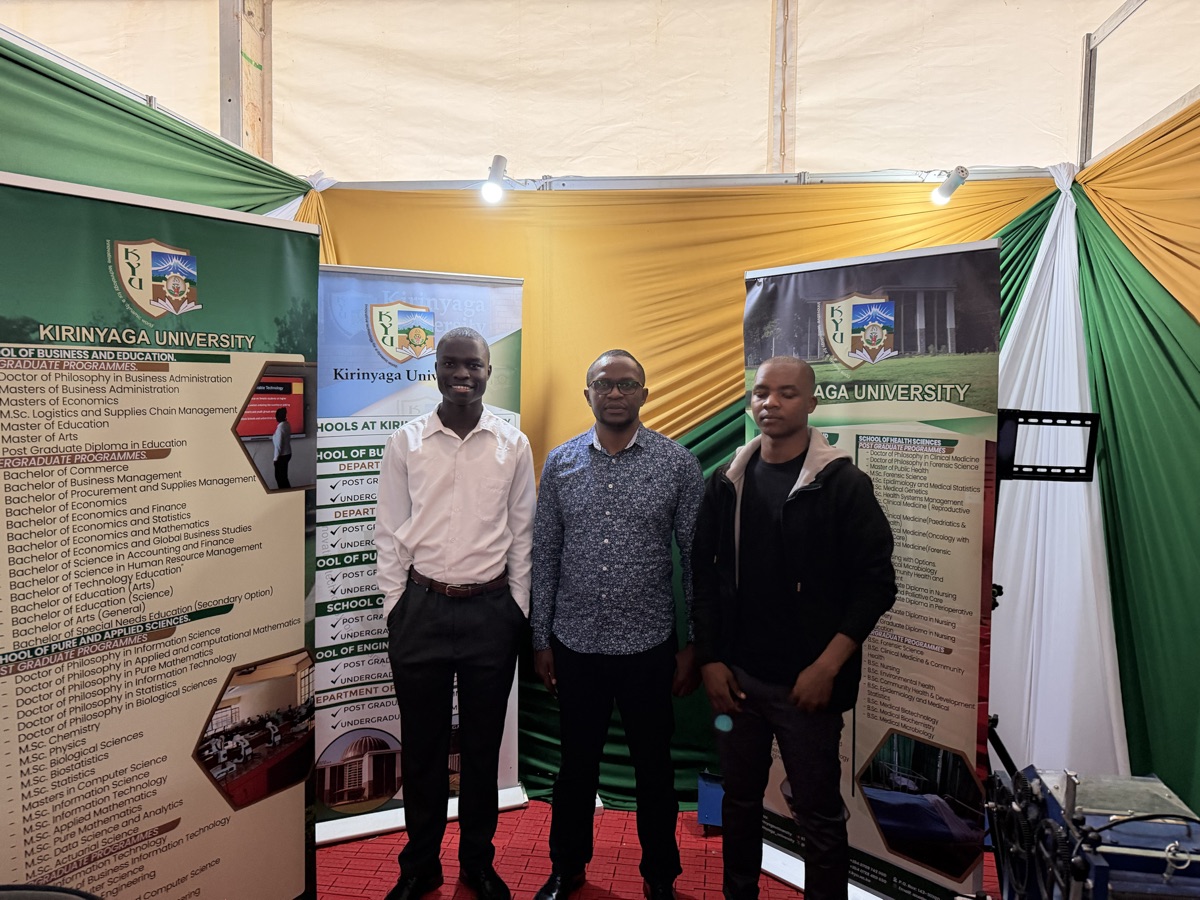
In May 2026, TRACE left Kirinyaga University and went to STRI Week at the Kenyatta International Convention Centre — the project's first public outing. For a day on the exhibition floor we showed the system to regulators, researchers, and exporters, and answered the same question over and over: what would this actually mean for Kenyan farmers? It was the moment the research stopped being a paper and started being a conversation.
Who built this
Final year research project submitted for the Bachelor of Science in Software Engineering, Kirinyaga University, April 2026.
Read the full research paper
PDF · 74 pages · Includes all technical details, test data, code, and references